
How to choose the perfect paint colour for your living room
There’s something about the end of Summer that makes us look around our homes and think, I really must get that room sorted.
With the school holidays drawing to a close and the evenings beginning to feel a little shorter, this can be the perfect time to plan in those decorating jobs you haven’t yet got around to. And if your living room is first on the list, choosing the right paint colour is a great place to start.
But with so many shades to choose from, where do you begin?
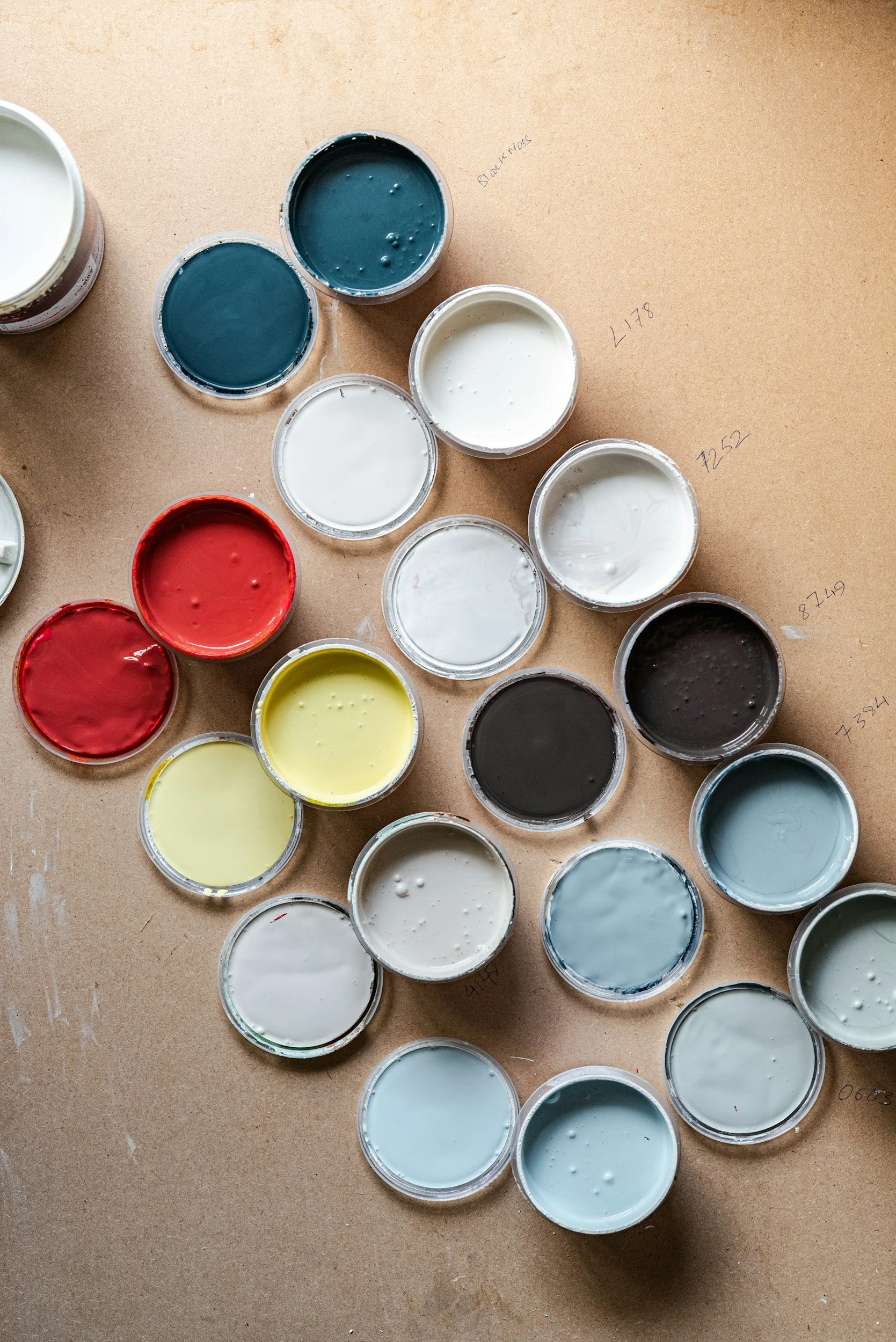
Look at the light first - Before falling in love with a particular colour, take a good look at the natural light in your room. A north facing living room will generally feel cooler and darker, while a south facing room can cope with warmer or deeper shades. Also consider how the room looks at different times of the day. A colour that looks beautiful in the morning sun may feel quite different in the evening.
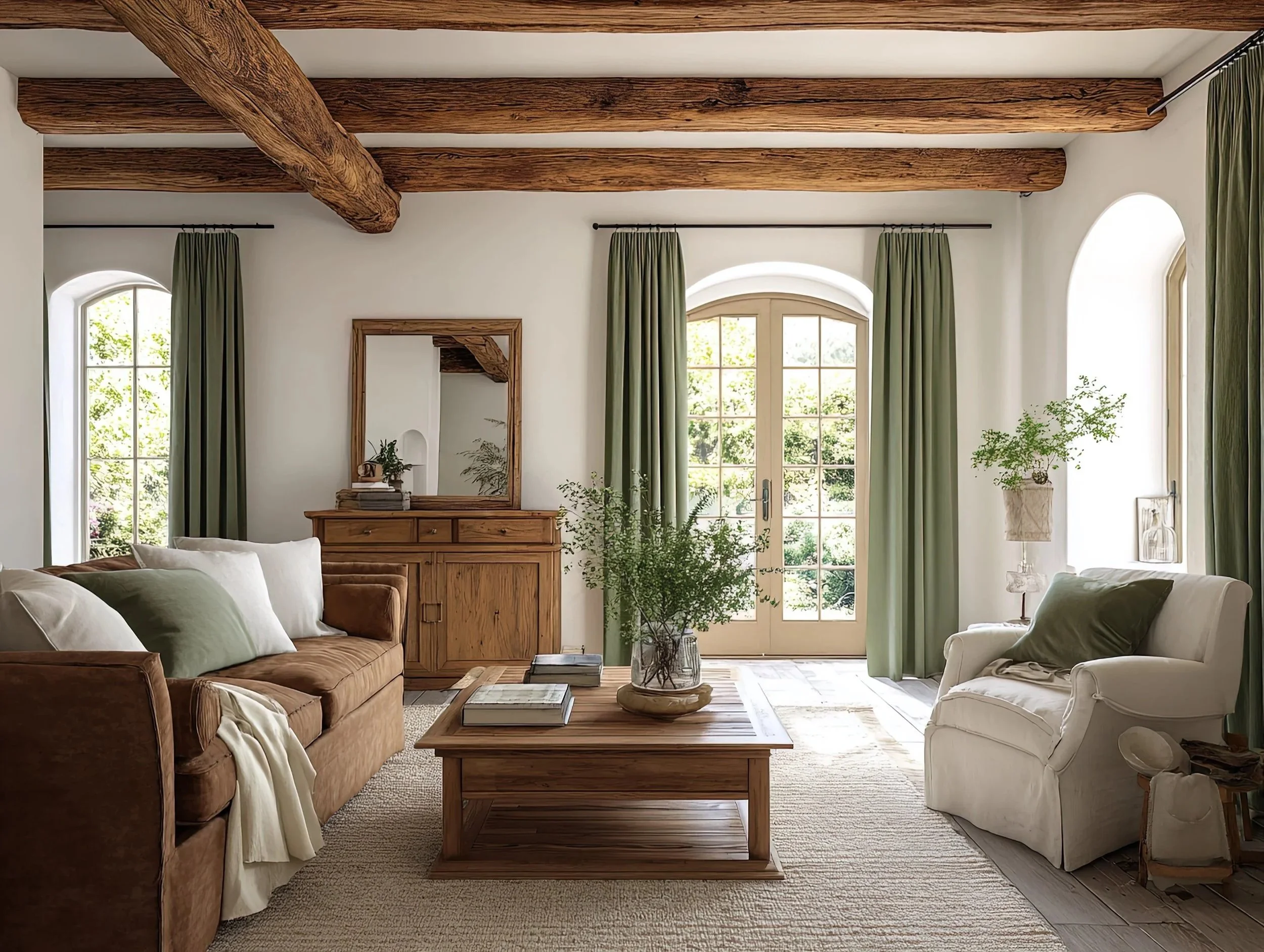
Consider what you already have - Your paint should not be chosen in isolation. Look at your sofa, curtains, flooring rugs and artwork and think about which colours you want to bring out.
If you already have a favourite patterned fabric or rug, it can be a wonderful starting point for your wall colour. I recommend picking out more of a quieter, subtle tone than trying to match the most dominant colour.
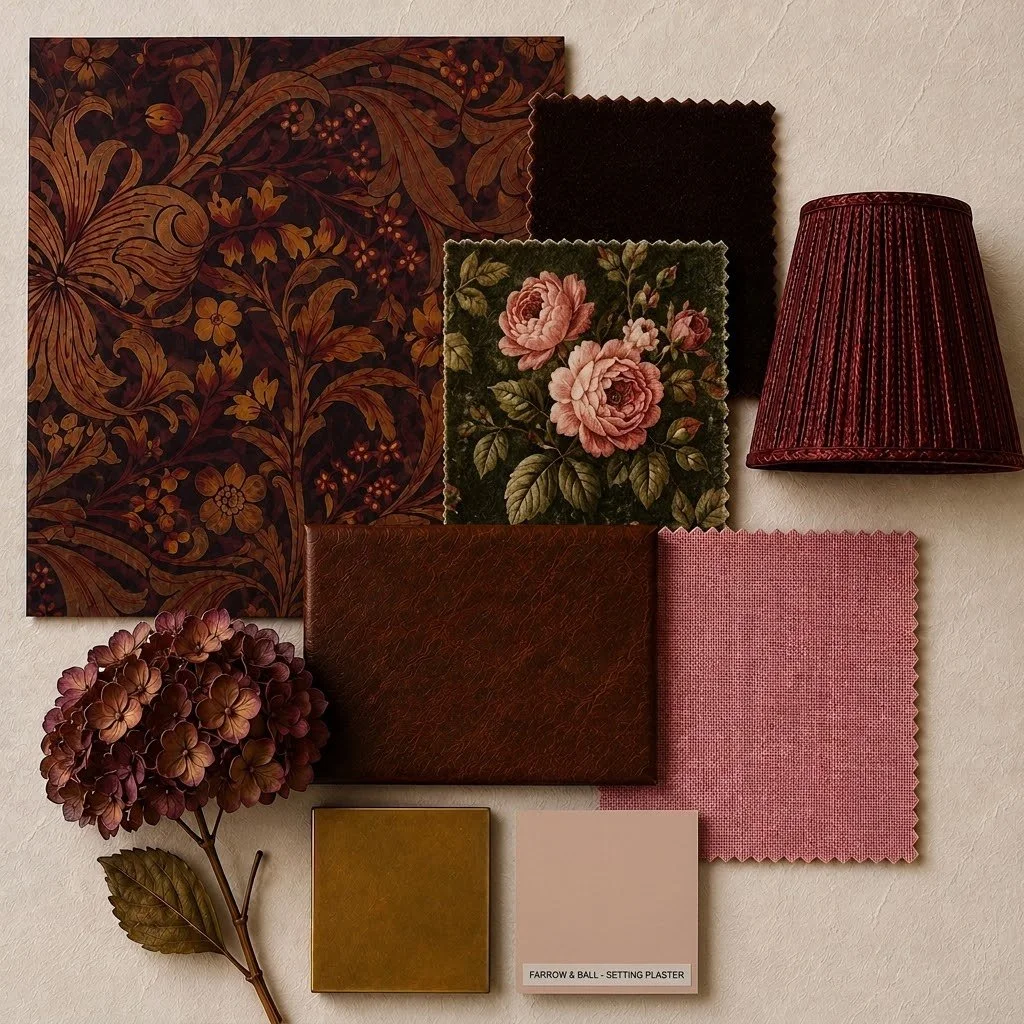
A living room scheme by Vicki Shaw Interiors
Don’t be afraid of darker colours - Small or poorly lit living rooms are often painted in pale colours to make them feel bigger and airier, but a deeper colour can also be a nice option.
Rich greens, warm browns, inky blues and earthy reds can create a cosy, enveloping atmosphere.This works particularly well in a classic British interior, where colour pattern and texture can be layered togther to create a room with warmth and character.
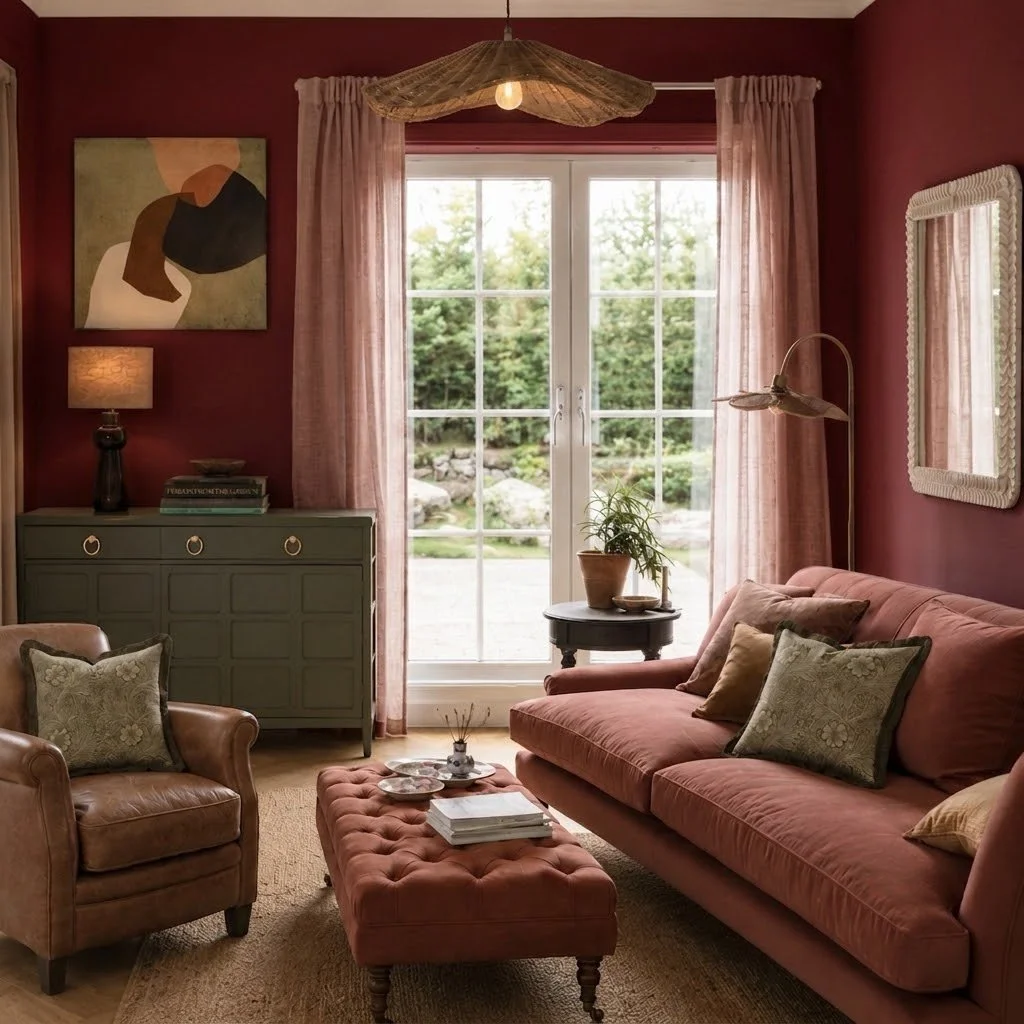
A room scheme by Vicki Shaw Interiors
Always, always test your paint colour - Paint a generous sample on a piece of lining paper. I usually cut a piece A4 size. Look at it throughout the day. Move it around the room to see how it responds to both natural and artificial light.
I encourage people not to test paint on the wall as it can be affected by the colour underneath and will be in an area of fixed light. I also suggest if you have a few paint colours that you like, don’t put them next to each other. Your brain will try and compare the colours at the same time and will make it hard to see the true colour. Leave a gap between them or better still, look at them individually by covering the others.
Think beyond the walls - finally remember that your wall colour is part of a bigger picture. Consider your woodwork, ceiling, curtains, upholstery and lighting in your room scheme.
The most successful rooms don’t have the most fashionable paint colour, they have a palette where everything works together.
A little help choosing your colour?
If you’re stuck between three shades of beige (we’ve all been there) or simply don’t know which direction to take your living room, my Late Summer Colour Offer could be just what you need.
For a limited time I’m offering my Colour Consultation at £165, to help you choose a colour palette that works with your home, your existing pieces and the way you want the room to feel.